Tree Lightning Protection Systems
Townsend Arborcare installs tree lightning protection systems for residential and commercial properties throughout Indianapolis and Central Indiana.
Contact Us
How We Do It
Our lightning protection installation process
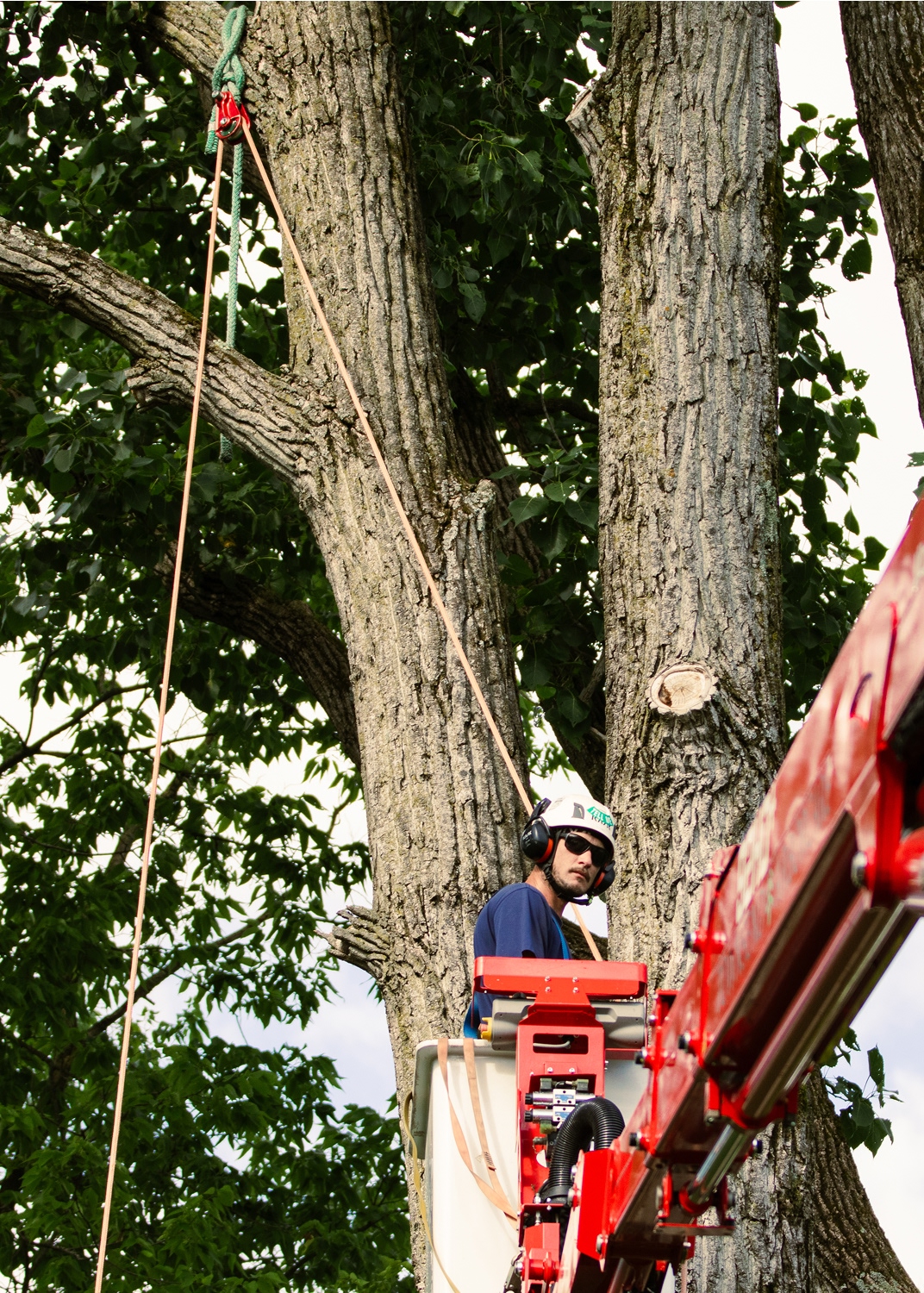
We start with an on-site assessment conducted by an ISA Certified Arborist® who evaluates each tree's height, species, structural condition, location relative to structures, and overall risk profile. Not every tree warrants a system, and part of what we do is help you make that determination accurately.
For large or multi-stemmed trees, additional branch conductors are added to ensure full canopy coverage. Once installed, we schedule periodic inspections to verify connections, check for conductor deterioration, and extend the system as the tree grows. A properly maintained system can remain effective for decades.
Why We Do It
Installment before the strike
Indiana sees a significant number of severe weather events each year, and tall, open-grown trees are among the most common lightning targets. Even trees that survive a direct strike often develop wounds that become entry points for insects and disease, leading to gradual decline.
A lightning protection system doesn't attract or prevent lightning. It manages the energy if a strike occurs, conducting the current safely into the ground to preserve the tree's structural integrity. For trees with significant aesthetic value, historic or sentimental significance, or proximity to your home or outbuildings, that matters.


Benefits from the ground up
Systems engineered to grow with the tree
Our hardware is designed to accommodate tree growth, keeping the conductor from embedding into the bark over time and ensuring the system remains effective without constant re-installation.
ISA Certified Arborists
Determining which trees need a system, how many conductors are required, and where grounding should be placed requires real arboricultural knowledge.
Inspections that keep the system performing
A lightning protection system is only effective if it's maintained. Our periodic inspection program keeps drive fasteners, air terminals, and the conductors all in working order and extends the system when tree growth requires it.
Frequently Asked Questions About Tree Lightning Protection Systems
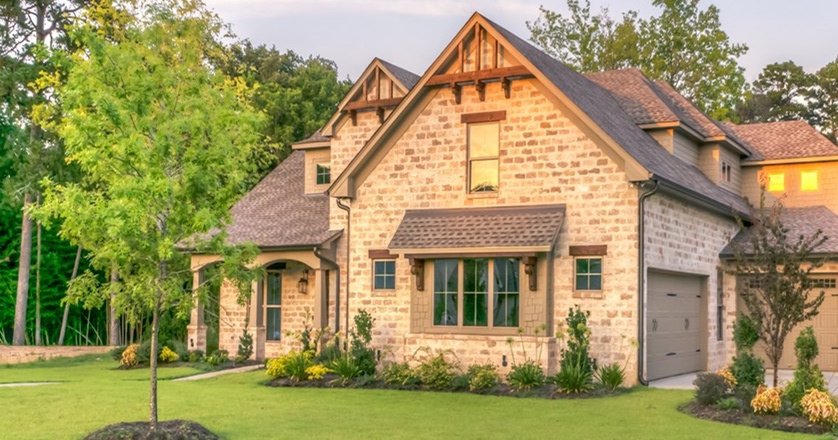
Priority candidates include the tallest tree on a property, trees growing in open or elevated areas with no surrounding structures, trees within 10 feet of a home or outbuilding, and trees with significant aesthetic, sentimental, or historic value. An on-site assessment is the right way to determine whether a specific tree warrants a system.
No. A tree lightning protection system does not attract lightning or prevent a strike from occurring. Instead, it intercepts the bolt and conducts the current harmlessly into the ground. The goal is to prevent the damage a strike would otherwise cause, not to redirect lightning away from the tree entirely.
No. A tree system protects the tree only. If the tree is within 25 feet of your home, the two systems should be interconnected and share a common ground, but protecting the structure requires a separate system installed on the building. Our arborists can assess the proximity of your trees to structures and recommend whether interconnection is warranted.
With periodic inspection and maintenance, a properly installed system can remain effective for 20 to 50 years or more. The conductor cable and major components are designed for long service life, but fasteners, terminals, and conductor connections need to be inspected and serviced as the tree grows.
After any confirmed or suspected strike, we conduct a full inspection of the system and the tree. Even with a system in place, a post-strike inspection is important, both to verify system integrity and to assess the tree for any wounds or structural issues that may need monitoring or treatment.
In some cases, lightning wounds will heal over time. More severe gashes leave the tree vulnerable to insect and disease entrance, which can lead to decline. Our arborists can perform a tree health assessment after a strike to determine whether the tree is a viable candidate for protection going forward, or whether other interventions like structural support, treatment, or removal are more appropriate.
Lightning Protection for Indianapolis Properties
Indiana's storm season regularly produces the kind of high-wind, lightning-heavy events that put tall trees at elevated risk. Whether you have a mature oak anchoring your backyard, a row of elms along a commercial property, or a legacy tree on an estate, Townsend Arborcare's arborists can assess whether a lightning protection system is the right investment for your property.