Tree Disease & Insect Management
Townsend Arborcare provides expert tree disease diagnosis and insect management for residential and commercial properties across Indianapolis and Central Indiana.
Contact Us
How We Do It
Accurate diagnosis before any treatment
A Townsend Arborcare ISA Certified Arborist® evaluates the canopy, bark, root collar, and surrounding soil conditions, looking for signs of pathogen activity, insect pressure, and environmental stressors like soil compaction and nutrient deficiencies that leave trees vulnerable.
From that assessment, we build a customized treatment plan matched to the specific problem, such as precision tree injections for systemic pest or disease control, targeted fungicide applications timed to the disease cycle, or selective pruning of infected limbs.

Why We Do It
Prevent. Prepare. Recover. Respond.
Waiting until damage is apparent narrows your options and raises the cost of intervention, or makes a structurally compromised tree a hazard risk that requires removal rather than treatment.
Early diagnosis by a Tree Risk Assessment Qualified Arborist is also how structural problems get caught before they become liability issues. Diseased trees that have progressed to internal decay require a risk assessment alongside disease management, and Townsend Arborcare's arborists are qualified to conduct both.


Benefits from the ground up
Diagnostic expertise
Pest damage, fungal pathogens, bacterial infections, and abiotic stress often look the same. Townsend Arborcare's tree disease specialists have the diagnostic skills to tell them apart and to distinguish tree disease from drought stress, winter injury, or nutrient deficiency before recommending any treatment.
Specialized treatment methods
Once the problem is identified, we match the method to tree biology. Whether it's tree injections, selective pruning, or something else, every recommendation is grounded in what works for that specific condition.
Ongoing monitoring and preventative care
A single treatment rarely resolves a pest or disease problem permanently. Townsend Arborcare provides scheduled inspections, disease prevention techniques, and proactive treatments like deep root fertilization and tree and shrub aeration to keep trees structurally healthy and less susceptible to future infestation.
FAQs on Tree Disease Treatment
The symptoms often overlap—yellowing leaves, canopy dieback, premature leaf drop, and bark anomalies can all result from fungal pathogens, insect infestation, soil compaction, drought stress, or nutrient deficiency. Accurate diagnosis requires a trained arborist examining the full tree and site conditions, not just the visible symptoms. Townsend’s ISA Certified Arborists have the diagnostic skills to distinguish between these causes and recommend the correct treatment rather than guessing.
Central Indiana trees face a specific range of disease pressures. Oak wilt is a serious fungal pathogen affecting red and white oaks, spreading through root grafts and infected pruning wounds. Fire blight is prevalent in crabapples and ornamental pears. Anthracnose affects sycamores, oaks, and maples during wet springs. Bacterial leaf scorch affects oaks, maples, and other hardwoods in landscape settings. Dutch elm disease continues to threaten elm populations. Emerald ash borer, while technically an insect, causes vascular damage that functions like a systemic disease in unprotected ash trees.
A tree health assessment is a structured evaluation by a Tree Risk Assessment Qualified arborist. It includes visual examination of the crown, bark, root flare, and surrounding soil; identification of pest activity, disease symptoms, and structural deficiencies; and review of environmental stressors contributing to decline. Depending on findings, it may also involve soil testing, resistance drilling to assess internal decay, or root collar excavation to identify buried crown and girdling root issues. The result is a clear picture of what’s affecting the tree and what the options are.
Integrated pest management is a monitoring-and-response approach, not a spray schedule. Standard treatments apply products on a fixed calendar regardless of whether pest populations are actually at damaging levels. IPM uses regular inspections to determine if, when, and what intervention is needed—matching treatment to the pest’s life cycle and the severity of the problem. The result is more effective control with fewer unnecessary applications.
It depends on the disease, how far it has progressed, and the tree’s overall structural condition. Many fungal and bacterial diseases can be managed or arrested with timely treatment. Systemic conditions like oak wilt or advanced emerald ash borer infestation may make removal the more practical and cost-effective option. Townsend’s arborists will give you an honest assessment of what’s viable—including when treatment is worth pursuing and when it isn’t.
Diagnosis may involve resistance drilling—a non-invasive technique that detects internal decay and structural compromise without damaging the tree—and root collar excavation to uncover girdling roots and buried crowns that accelerate decline. Where soil compaction is a contributing factor, air spade service relieves root zone pressure without harming feeder roots. Treatment depends on what the diagnosis reveals: precision tree injections and soil injection of systemic insecticide deliver treatment directly into the vascular system for internal feeders and pathogens; selective pruning and deadwood removal eliminate active infection points; deep root fertilization and subsurface watering rebuild soil and root health; and tree cabling and bracing provide structural support where disease or decay has compromised the tree’s integrity.
Indianapolis Tree Disease Specialists
Emerald ash borer, oak wilt, and anthracnose are among the most active threats to the urban canopy across Indianapolis, Carmel, Fishers, Westfield, Noblesville, Zionsville, and surrounding communities. Townsend Arborcare's arborists have worked throughout Central Indiana for over 60 years and understand how the region's seasonal conditions affect disease pressure, pest activity, and treatment timing.



MORE TREE AND SHRUB SERVICES
Solutions for any disease, insect, or pest
Integrated Pest Management
Our sustainable, science-based, decision-making process identifies and manages pests and their damages at levels bearable to the client. Our experts consider pest suppression rather than eradication and chemical control.
See IPM Services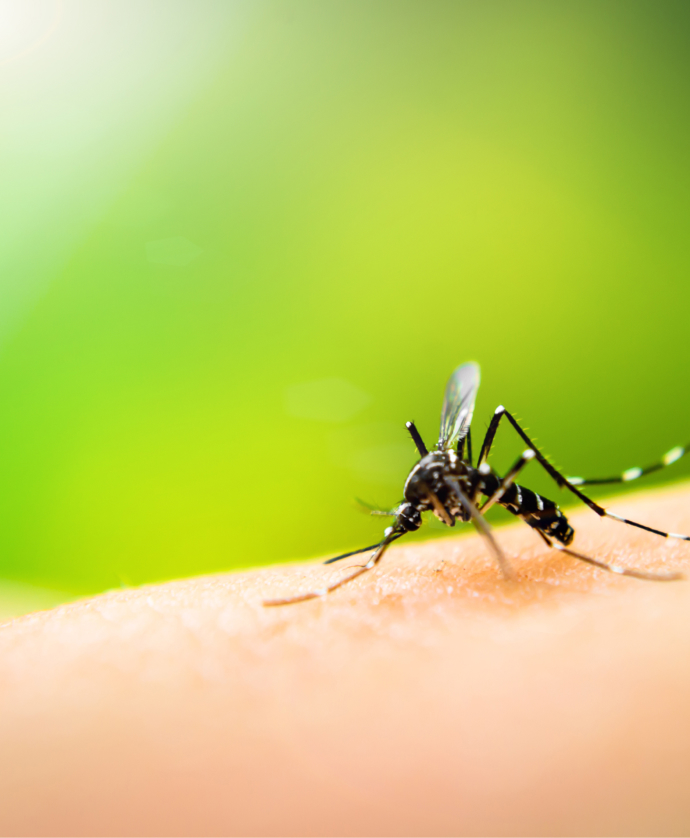
Mosquito & Tick Shield
Townsend Arborcare now offers Mosquito & Tick Shield, a barrier spray that reduces these pesky biting insects on your property. Our professionals will treat the spots where mosquitoes and ticks live and breed.
Explore Treatment Options