Understanding Dormant Trees: Why Winter is the Best Time for Professional Tree Care
03.09.2026
Around late fall and early winter, Indiana trees enter one of the most important phases of their annual lifecycle. While many homeowners question whether their tree is dead or not in the frigid temperatures, they’re actually displaying a survival mechanism that protects them through harsh conditions. This also happens to be the best time for professional tree maintenance that sets trees up for vigorous spring growth.
Understanding what happens to trees during dormancy lets you make informed decisions about tree maintenance, recognize when professional intervention is needed, and take advantage of the dormant season’s unique benefits for tree health and property safety.
What is Tree Dormancy?
Tree dormancy is a natural state where trees prepare and adapt to cold weather and less daylight. During this time, deciduous trees (trees that lose their leaves), redirect their energy to strengthening their roots and conserving water rather than growth.
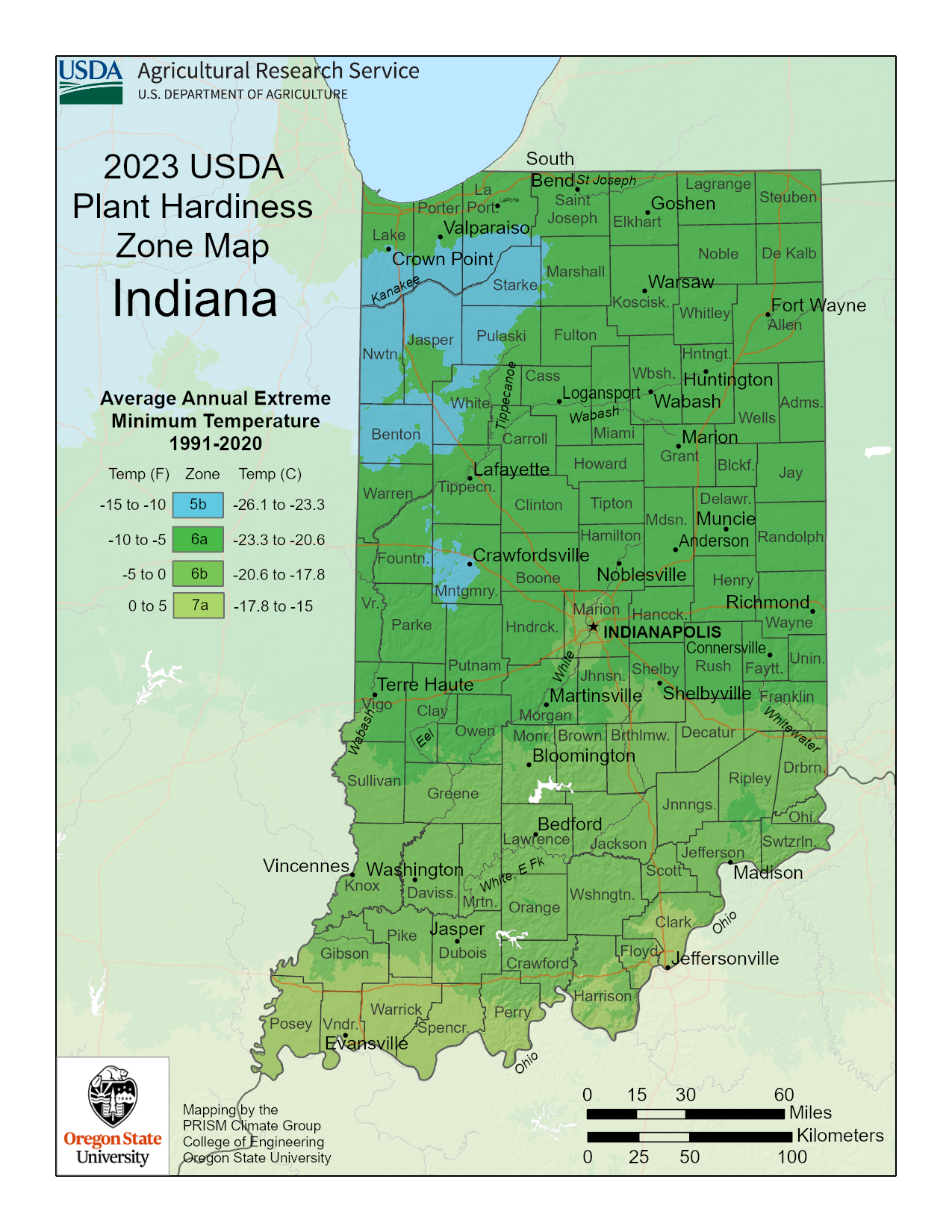
Most areas in Indiana (Zones 5b-6a) enter dormancy in mid-to-late October and early November and remain dormant through March. Trees in warmer states will start to enter dormancy in mid-to-late November. However, yearly weather patterns and tree species will affect the exact timing of the dormant season.
Is My Tree Dead or Dormant?
One of the most common concerns from homeowners is whether their trees are dormant or actually dead. Certified arborists use several reliable methods to assess tree life during the dormant season.
- The Scratch Test: Lightly and carefully scratch the bark of a small twig or branch. If underneath there’s green, moist tissue, the tree is alive. Dead trees will show brown, dry tissue. However, individual limbs can die while the tree remains alive.
- Check for Buds: Dormant trees form buds at branch tips and along stems before spring blooming. Healthy buds are plump, firm, and may have a slightly sticky coating on them which protects them through the winter. Whereas dead trees either don’t have these formed buds, or they’re dry and brittle.
- Flexibility Testing: Small living branches, even on dormant trees in the winter, will bend slightly before breaking. Dead branches are rigid and should snap cleanly with minimal force.
If you’re unsure about your trees condition, especially if you have a large tree near your home, schedule a professional tree assessment with a certified arborist to prevent the risks associated with dead trees while ensuring you don’t prematurely remove a health dormant tree.
Why Winter is the Best Time for Tree Care
The dormant season transforms tree care from reactive maintenance into strategic health management. When trees aren’t actively growing or moving nutrients through their vascular systems, they experience significantly less stress from pruning, removal, or structural work.
Better Visibility
Without leaves, arborists can clearly see:
- Weak branch connections
- Crossing limbs
- Dead wood
- Structural defects
- Hazardous overhangs
This allows for more precise pruning decisions that improve long-term tree health and safety.
Reduced Disease Transmission
Many serious tree diseases spread during warm months like Oak Wilt or Dutch Elm Disease (DED). In winter, the insects and pathogens that spread these diseases are inactive. Pruning during dormancy greatly reduces infection risk, especially for oak trees in Indiana.
Quicker Wound Healing
When a tree isn’t actively growing, pruning causes a lot less stress. Once spring arrives, the tree will use the energy it’s been storing to:
- Seal pruning wounds
- Push out healthy new growth
- Recover quickly
What this means is that pruning in the winter during dormancy supports stronger spring development for your trees.
Safer and Cleaner Work Conditions
Enhanced safety and efficiency benefit both your property and the work itself.
- Frozen ground reduces lawn damage from equipment
- Landscaping beds are protected
- Less debris from leafy branches
- Clearer sightlines improve safety
Tree removal and structural pruning are also often more efficient in winter.
Professional Tree Services in the Winter
Certified arborists leverage the dormant season to provide comprehensive tree care services that prepares your landscape for healthy spring growth while addressing immediate safety concerns.
Structural Pruning
Tree pruning during dormancy establishes strong branch architecture in young trees and corrects problematic growth patterns in mature trees. At Townsend Arborcare, our arborists remove weak or competing leaders, reduce long and heavy limbs, and remove weak angles.
Hazard Mitigation
Tree risk assessments become straightforward when the tree structure is fully visible. We identify and remove dead, dying, or damaged branches that pose a risk to structures, vehicles, power lines, or the people below. Additionally, winter storms bringing heavy snow, ice accumulation, and high winds make this proactive approach essential for property protection.
Tree Removal
Safe tree removals proceed more efficiently during dormancy. Lighter branches without foliage create less cleanup, frozen ground protects surrounding landscape features, and clearer sight lines improve safety for our crews and your property.
When to Schedule Winter Tree Care in Indiana
The best time for dormant tree work is:
- Late fall after full dormancy begins
- Late winter (February–early March) before spring growth starts
If you’ve noticed dead branches, unbalanced growth, storm damage, or concerns about tree health throughout the growing season, dormant season assessment provides the best opportunity for comprehensive evaluation and corrective action. Trees that required emergency work during summer storms often benefit from follow-up dormant pruning to restore proper structure and remove remaining hazards.
Our certified arborists can evaluate your trees’ specific needs, recommend appropriate dormant season services, and develop a maintenance plan that supports long-term tree health and property safety. We also provide 24/7 emergency response when winter storms create immediate hazards requiring urgent attention.
Schedule a Dormant Tree Health Assessment with Townsend Arborcare
Contact Townsend Arborcare today to schedule a dormant season tree assessment. Our certified arborists bring decades of combined experience to every property, along with the specialized equipment, safety protocols, and expertise that professional tree care demands. Let us help you take advantage of winter’s unique benefits for tree health.